When water damage strikes a home that’s been carefully adapted for someone living with ALS, the stakes are extraordinarily high. These aren’t just houses—they’re lifelines, meticulously designed environments where every modification serves a vital purpose. As someone who’s worked in this community for years, I’ve seen firsthand how crucial it is to approach these restorations with both technical expertise and deep understanding.
Why Accessible Homes Require Specialized Restoration
Homes modified for ALS patients contain expensive, essential equipment and structural adaptations that standard restoration approaches might overlook or damage. Ceiling lifts, widened doorways, roll-in showers, and specialized flooring all require careful consideration during the restoration process. When you’re dealing with water damage in these situations, you need professionals who understand that this isn’t just about drying out a space—it’s about preserving independence and quality of life. That’s why finding experienced specialists who understand these unique needs is so important. That’s also why many Arizona ALS facilities have recently begun using licensed professionals for water damage restoration in Tucson.
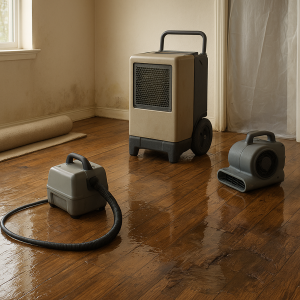
Time-Sensitive Challenges for ALS Families
For most homeowners, water damage is inconvenient. For ALS families, it can be genuinely dangerous. These families often cannot simply relocate to a hotel while repairs are made. The accessible features they depend on—from bathroom modifications to specialized bedroom setups—aren’t available in temporary housing.
This creates urgent priorities:
- Rapid response to minimize displacement time
- Protecting medical equipment from moisture and mold
- Maintaining access to essential areas during restoration
- Coordinating around caregiving schedules and medical appointments
Equipment and Modification Protection
The specialized equipment in an ALS-accessible home represents significant financial investment and irreplaceable functionality. Power wheelchairs, communication devices, and breathing equipment are all vulnerable to water damage and must be immediately assessed and protected.
During restoration, professionals need to understand which modifications are structural and which are removable. That beautiful roll-in shower with its carefully sloped floor? It requires different drying techniques than a standard bathroom. Those widened doorways and lowered light switches? They need to remain functional throughout the process whenever possible.
Flooring Considerations
Many accessible homes feature specific flooring chosen for wheelchair navigation—smooth, level surfaces without transitions that could catch wheels or create obstacles. Water-damaged flooring in these homes can’t simply be replaced with whatever’s available. The replacement must maintain the same accessibility standards, which sometimes means sourcing specific materials or working with occupational therapists to ensure the new flooring meets the resident’s needs.
Communication and Coordination
Restoring a water-damaged accessible home requires exceptional communication. ALS affects speech for many patients, so restoration teams need to be prepared to communicate through alternative methods—whether that’s text, communication devices, or working primarily through caregivers.
Scheduling becomes more complex too. Medical appointments, therapy sessions, and nursing visits create a framework that restoration work must fit around, not disrupt. The best restoration partners understand they’re joining a care team, not just fixing a house.
Mold Prevention Takes on New Urgency
While mold is a concern in any water damage situation, it’s especially critical for ALS patients, many of whom have compromised respiratory function. Thorough drying, proper ventilation, and aggressive mold prevention aren’t just best practices—they’re essential health measures.
This means using HEPA filtration during restoration, carefully monitoring humidity levels, and sometimes creating temporary barriers to isolate work areas from living spaces more extensively than in standard restorations. Following EPA guidelines for indoor air quality during flood cleanup is particularly important in homes with vulnerable residents.
Moving Forward with Compassion
If your accessible home has suffered water damage, know that restoration is possible—and it can be done in a way that honors the careful adaptations you’ve made. Look for restoration professionals who listen carefully, ask questions about your specific needs, and demonstrate genuine understanding of what your home means to your family.
The goal isn’t just to restore your house to its pre-damage condition. It’s to return your independence, your safety, and your peace of mind as quickly and carefully as possible.