Mold Removal And Your Health: Why Chattanooga ALS Patients Need Professional Mold Remediation Services
Understanding the Critical Link Between Mold Exposure and ALS Patient Health
Living with Amyotrophic Lateral Sclerosis (ALS) presents enough challenges without the added burden of environmental hazards in your own home. For Chattanooga residents managing this progressive neurological condition, maintaining a clean, healthy indoor environment isn’t just about comfort—it’s a critical component of disease management and quality of life preservation.
Our Tennessee climate, with its humid summers and temperature fluctuations throughout the year, creates ideal conditions for mold growth in homes across Hamilton County. What might be a minor inconvenance for healthy individuals can pose serious health risks for those living with ALS, whose compromised respiratory systems and weakened immune responses make them particularly vulnerable to mold-related complications.
Why ALS Patients Face Heightened Risks from Mold Exposure
ALS progressively weakens the muscles responsible for breathing, swallowing, and maintaining airway clearance. As the disease advances, patients often experience reduced lung capacity, difficulty coughing effectively, and compromised ability to clear respiratory secretions. These physical limitations create a perfect storm when combined with mold exposure in the home environment.
Respiratory Complications in ALS Patients
The respiratory system of someone living with ALS is already under significant strain. Mold spores floating through the air can trigger several serious complications:
- Increased respiratory infections due to weakened immune response
- Exacerbation of breathing difficulties and reduced oxygen intake
- Heightened inflammatory responses in already compromised lung tissue
- Greater difficulty clearing mucus and airway secretions
- Potential acceleration of respiratory decline
The diaphragm and intercostal muscles that control breathing are affected by ALS, making every breath more labored. Adding mold spores and mycotoxins to the air these patients breathe only compounds their struggle and can lead to preventable hospitalizations.
Immune System Vulnerabilities
Research continues to explore the complex relationship between ALS and immune function. Many ALS patients experience immune system dysregulation, making them more susceptible to infections and inflammatory responses. Mold exposure introduces additional antigens and irritants that can overwhelm an already stressed immune system.
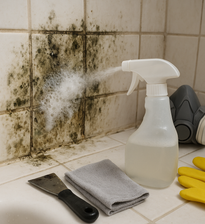
In Chattanooga’s older neighborhoods like St. Elmo, Highland Park, and North Shore, historic homes with their charming architecture often harbor hidden moisture problems. Basements, crawl spaces, and attics in these properties frequently develop mold colonies that circulate spores throughout the living areas where ALS patients spend most of their time.
Common Mold Problems in Chattanooga Homes
Understanding where mold thrives in our local homes helps families protect their vulnerable loved ones. Chattanooga’s geography, nestled in the Tennessee Valley with the Tennessee River running through it, means we deal with higher humidity levels than many other regions.
Seasonal Moisture Challenges
Our weather patterns create specific mold risks throughout the year. Spring brings heavy rainfall that can lead to foundation leaks and basement flooding. Summer humidity regularly exceeds 70%, creating condensation problems in poorly ventilated spaces. Even our mild winters can produce moisture issues when heating systems create temperature differentials that lead to condensation on cold surfaces.
For families caring for ALS patients who may be largely homebound or using medical equipment that requires specific environmental conditions, these seasonal challenges demand professional attention. When mold problems arise, working with experienced professionals like Chattanooga Mold Removal Group ensures thorough remediation that addresses both visible growth and hidden contamination that could compromise your loved one’s health.
High-Risk Areas in Local Homes
Certain areas of Chattanooga homes are particularly prone to mold development:
- Bathrooms: Especially those without proper exhaust ventilation, which is common in older homes
- Basements and crawl spaces: Where groundwater and poor ventilation combine
- HVAC systems: Ductwork and air handlers can harbor and distribute mold spores throughout the home
- Window frames and sills: Condensation accumulation during temperature changes
- Laundry rooms: Dryer vent issues and washing machine leaks create moisture problems
For ALS patients who may spend extended time in bedrooms or specific living areas, mold growth in nearby spaces poses a direct threat even if they never enter the contaminated area. Spores travel through air currents and HVAC systems, reaching every corner of the home.
Why Professional Remediation Is Essential for ALS Patient Homes
When a household includes someone with ALS, the stakes for proper mold remediation rise dramatically. DIY approaches or incomplete removal can actually worsen the problem by disturbing mold colonies and releasing massive quantities of spores into the air.
The Dangers of Improper Mold Removal
Well-meaning family members often attempt to address visible mold with bleach or other household cleaners. This approach fails on multiple levels and can endanger ALS patients:
Surface cleaning doesn’t address mold growing inside walls, under flooring, or within porous materials. Disturbing mold colonies without proper containment releases spores throughout the home. Bleach and harsh chemicals create toxic fumes that are particularly harmful to those with respiratory compromise. Without addressing the underlying moisture source, mold quickly returns.
Professional Remediation Protocols
Certified mold remediation specialists follow strict protocols designed to protect vulnerable occupants. According to building science experts at the National Institute of Building Sciences, these procedures include establishing containment barriers to prevent spore spread to unaffected areas, using HEPA filtration systems to capture airborne spores during removal, properly disposing of contaminated materials according to safety standards, treating affected areas with antimicrobial solutions, and addressing moisture sources to prevent recurrence.
For ALS patients, some remediation projects may require temporary relocation to protect them from exposure during the removal process. Professional companies can assess the situation and provide guidance on whether the patient can safely remain in the home during remediation or if alternative arrangements are necessary.
Creating a Mold-Prevention Strategy for ALS Patient Care
Beyond addressing existing mold problems, families caring for ALS patients should implement ongoing prevention strategies tailored to our Chattanooga climate and their specific home conditions.
Humidity Control Measures
Maintaining indoor humidity between 30-50% significantly reduces mold growth potential. This requires monitoring with hygrometers placed in key areas throughout the home, using dehumidifiers in basements and other high-moisture areas, ensuring proper ventilation in bathrooms and kitchens, and running exhaust fans during and after showers or cooking.
Regular Inspection and Maintenance
Proactive monitoring helps catch mold problems before they become serious health threats:
- Check areas around windows and doors for condensation or water intrusion
- Inspect basement and crawl space conditions seasonally
- Monitor HVAC systems and change filters regularly
- Address any plumbing leaks or water damage immediately
- Ensure gutters and downspouts direct water away from the foundation
ALS caregivers already juggle numerous responsibilities, from managing medications to coordinating medical appointments and assisting with daily activities. Adding mold prevention to this list may feel overwhelming, but the health protection it provides makes it essential.
The Broader Health Impact on ALS Patients
Beyond respiratory complications, mold exposure can affect ALS patients in ways that compromise their overall health management and quality of life.
Neurological Considerations
Some research suggests that mycotoxins produced by certain mold species may have neurotoxic effects. While the research specifically linking mold exposure to ALS progression remains limited, the precautionary principle suggests minimizing all potential neurotoxic exposures for patients with neurodegenerative diseases.
Quality of Life Factors
ALS patients face significant challenges maintaining independence and comfort. Mold-related symptoms like headaches, fatigue, cognitive fog, and respiratory distress add unnecessary suffering to an already difficult situation. Creating the cleanest, healthiest possible home environment supports better symptom management and may help preserve function longer.
Taking Action to Protect Your Loved One
If you’re caring for someone with ALS in the Chattanooga area, don’t wait for visible mold growth or obvious moisture problems to seek professional assessment. Our humid climate means mold is likely present at some level in most homes—the question is whether it’s reached concentrations that threaten health.
Professional mold inspection can identify hidden problems before they impact your loved one’s health. Thermal imaging can detect moisture behind walls, air quality testing can measure spore concentrations, and visual inspection by trained specialists can spot early warning signs that untrained eyes might miss.
The investment in professional mold remediation and prevention pays dividends in reduced health complications, fewer emergency room visits, and improved quality of life for ALS patients. When respiratory function is already compromised, every breath matters—make sure the air in your Chattanooga home supports health rather than threatening it. The American Lung Association provides valuable resources on indoor air quality and respiratory health that can help families understand the importance of maintaining clean air for vulnerable individuals.
Your loved one’s care team likely includes neurologists, pulmonologists, physical therapists, and other medical professionals. Consider adding mold remediation specialists to that team as environmental health experts who protect the home where your loved one spends most of their time. In our Tennessee climate, professional mold management isn’t a luxury—it’s a necessary component of comprehensive ALS care.