The Electrical Demands of ALS Home Care
Amyotrophic Lateral Sclerosis (ALS) transforms a home into a medical facility overnight. Caregivers face immediate electrical challenges that most residential systems were never designed to handle. Ventilators run 24/7. Suction machines cycle continuously. Hospital beds with electronic controls, feeding pumps, communication devices, and battery charging stations all demand reliable power simultaneously.
The average ALS patient’s home requires 30-40% more electrical capacity than standard residential use. This isn’t a gradual increase—it happens within weeks of diagnosis. A qualified electrician in Decatur becomes essential to assess whether existing circuits can handle the load or if immediate upgrades are necessary to prevent dangerous overloads.
Circuit breakers that trip during ventilator operation create life-threatening situations. Caregivers cannot afford power interruptions when respiratory support equipment is involved. Electrical professionals conduct load calculations, identify vulnerable circuits, and implement solutions before equipment failure occurs.
Critical Electrical Modifications for ALS Care
Dedicated Circuits for Life-Support Equipment
Ventilators and BiPAP machines require isolated circuits. These devices cannot share power with refrigerators, HVAC systems, or other high-draw appliances. Electricians install dedicated 20-amp circuits that serve only critical medical equipment, eliminating the risk of nuisance tripping.
Installation typically takes 4-6 hours per circuit, depending on the distance from the electrical panel to the equipment location. This modification provides peace of mind that respiratory support will not fail due to someone using a microwave or hair dryer elsewhere in the home.
Emergency Power Systems
Power outages in Decatur occur an average of 2-3 times annually, often lasting 4-8 hours. For ALS patients on ventilators, battery backup provides only 60-90 minutes of operation. Generator installation becomes mandatory, not optional.
Transfer switch installation allows seamless transition to generator power within 10-15 seconds of utility failure. Electricians size generators based on total medical equipment load plus essential home systems. A typical ALS care home requires a 10-15 kW generator to maintain ventilators, suction equipment, heating/cooling, and refrigeration for medications.
Portable generators without transfer switches create carbon monoxide risks and require manual equipment switching—unacceptable when seconds matter. Professional installation costs $3,500-$6,500 but eliminates life-threatening gaps in power delivery.
Additional Outlet Installation
Medical equipment clusters around the patient’s primary care area. Standard bedrooms have 4-6 outlets; ALS care requires 12-16 within arm’s reach. Electricians install medical-grade outlets with hospital-grade retention force, preventing accidental disconnection when cords are bumped or moved.
These outlets feature isolated ground connections that reduce electromagnetic interference with sensitive monitoring equipment. Installation of 6-8 additional outlets takes approximately 3-4 hours and costs $400-$800, depending on wall construction and circuit routing requirements.
Lighting Modifications That Reduce Caregiver Fatigue
Caregivers perform medical procedures throughout the night. Standard bedroom lighting is inadequate for medication administration, catheter care, or equipment monitoring. Electricians install adjustable LED systems with dimming capability, providing bright task lighting when needed and low-level ambient light for patient rest.
Motion-sensor lighting in hallways and bathrooms prevents falls during nighttime equipment checks. These sensors activate at 20% brightness, sufficient for navigation without fully waking the patient. Installation takes 2-3 hours and significantly reduces caregiver stress during overnight shifts.
Under-cabinet lighting in medication preparation areas eliminates shadows and reduces dosing errors. Battery backup lighting systems ensure visibility during power failures, allowing caregivers to safely operate manual ventilation equipment if needed.
Communication System Electrical Support
ALS patients lose verbal communication ability as the disease progresses. Eye-gaze communication devices and speech-generating systems require multiple power sources and reliable connectivity. Electricians install surge-protected outlets and USB charging stations at strategic locations, ensuring communication devices remain operational.
These systems draw minimal power but require clean, stable voltage. Whole-home surge protection installed at the main panel prevents voltage spikes from damaging expensive communication equipment. Installation costs $300-$500 and protects devices worth $8,000-$15,000.
Safety Inspections and Code Compliance
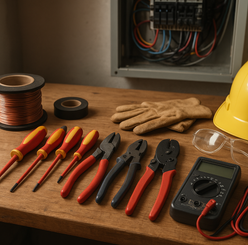
Home modifications must meet National Electrical Code requirements and local Decatur ordinances. Unlicensed electrical work creates insurance complications and liability issues. Professional electricians provide documentation of all modifications, ensuring compliance with medical equipment manufacturer requirements and homeowner’s insurance policies.
Safety inspections identify existing hazards: outdated wiring, insufficient grounding, overloaded circuits, and aluminum wiring connections. These issues, common in homes built before 1990, create fire risks that intensify when medical equipment adds continuous electrical load. Understanding energy regulatory standards helps ensure that home electrical systems meet both safety and efficiency requirements.
Inspection and hazard remediation typically requires 6-8 hours for a complete home assessment. Identified issues receive priority ratings, allowing caregivers to address life-safety concerns immediately while scheduling non-critical upgrades over time.
Timeline Expectations for Electrical Modifications
Emergency service calls receive same-day response for life-safety issues. Dedicated circuit installation occurs within 48-72 hours of initial assessment. Generator and transfer switch installation requires 5-7 business days from order to completion, accounting for equipment delivery and permit processing.
Complete home electrical upgrades for ALS care span 2-3 weeks when panel replacement is necessary. Electricians schedule work in phases, ensuring medical equipment remains operational throughout the modification process.
The Practical Impact on Daily Caregiving
Reliable electrical infrastructure removes one variable from an unpredictable disease. Caregivers manage medication schedules, physical therapy, nutritional support, and emotional care. Electrical failures cannot be added to that burden.
Professional electrical modifications provide measurable outcomes: zero power-related equipment failures, elimination of circuit breaker trips during critical care, and maintained operation during utility outages. These results directly translate to reduced caregiver anxiety and improved patient safety.
Decatur electricians who understand ALS care requirements deliver solutions that function correctly the first time, every time. That reliability matters when lives depend on continuous power delivery.