Why ALS Families Need Specialized Water Damage Response
Water damage creates immediate health hazards for anyone living with ALS. Mold spores develop within 24-48 hours of water exposure, triggering respiratory complications that ALS patients cannot afford. Mobility limitations mean evacuating flooded areas becomes dangerous or impossible without proper assistance. Standard restoration timelines don’t account for medical equipment dependencies, oxygen systems, or specialized bedding that cannot simply be moved to another room.
Families managing ALS care routines face compounded stress when water damage strikes. Every hour of disruption affects medication schedules, physical therapy routines, and the precise environmental controls ALS patients require. Restoration companies must understand these realities before entering the home.
Accessibility Requirements During Active Restoration
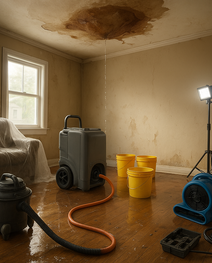
Wheelchair-accessible pathways must remain clear throughout the entire restoration process. Equipment placement, drying fans, and dehumidifiers cannot block doorways, hallways, or bathroom access. Technicians need to coordinate with caregivers on exact equipment locations before starting work.
Power requirements for medical devices take absolute priority. Generators must be sized appropriately and connected before any electrical shutdowns occur. Air filtration systems protecting ALS patients from airborne contaminants cannot go offline during demolition or mold remediation phases.
Temperature and humidity control directly impacts ALS symptom management. Restoration work that disrupts HVAC systems requires temporary climate control solutions that maintain consistent conditions in occupied rooms. Standard “open the windows” drying methods don’t work when medical needs demand precise environmental control.
Communication Protocols That Respect ALS Challenges
Many ALS patients use assistive communication devices or have speech difficulties. Restoration teams need to establish communication methods with both patients and primary caregivers before work begins. Written schedules, text updates, and visual progress markers reduce stress for families who cannot easily ask questions or voice concerns.
West Palm Beach Water Damage Pros understands that ALS families require detailed advance notice for any work that affects daily care routines. Same-day schedule changes or unexpected delays create cascading problems for families coordinating nursing care, therapy appointments, and medication timing.
Documentation requirements extend beyond insurance paperwork. Families managing complex medical situations need clear records of what materials were removed, what chemicals were used, and what areas remain off-limits during recovery phases. This information matters for infection control and respiratory safety.
Timeline Modifications for Medical Equipment and Care Needs
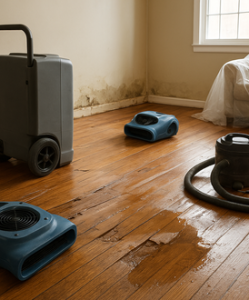
Standard three-day drying timelines may need extension when medical equipment cannot be relocated. Hospital beds, lift systems, and bathroom modifications limit where air movers can be positioned. Experienced teams calculate drying times based on actual equipment placement rather than ideal conditions.
Demolition and reconstruction phases require careful scheduling around care routines. Morning personal care, afternoon therapy sessions, and evening medical procedures create windows when noise and activity must be minimized. Families shouldn’t have to choose between home repairs and essential care routines.
Material selection during reconstruction affects long-term accessibility. Flooring transitions must accommodate wheelchairs and walkers. Bathroom rebuilds should incorporate grab bars and roll-in shower access even if insurance only covers basic replacement. Forward-thinking restoration includes accessibility improvements that benefit the family long-term.
Insurance Navigation for Disability-Related Complications
Water damage claims become more complex when disability accommodations are involved. Adjusters may not initially recognize why certain upgrades or timeline extensions are medically necessary rather than preferential. Documentation from healthcare providers explaining ALS-specific needs strengthens claims for appropriate coverage.
Temporary relocation isn’t viable for many ALS families due to medical equipment, specialized home modifications, and established care teams. Restoration plans must account for occupied-home constraints that standard policies don’t address. Alternative living expense coverage may need reallocation toward in-home accommodations rather than hotel stays.
Families deserve restoration partners who recognize that disability isn’t an inconvenience to work around—it’s a medical reality requiring professional adaptation and respect. Organizations like the American Water Resources Association provide valuable resources for understanding water-related challenges in residential settings.