When a family is caring for a loved one with ALS in Elizabeth, New Jersey, every aspect of the home environment matters. From accessibility modifications to air quality, families work tirelessly to create spaces that support comfort, dignity, and health. One often-overlooked element of this careful home management is pest control—a critical service that helps maintain the clean, safe environment that ALS patients need to thrive.
Why Home Environment Is Critical for ALS Patients
Amyotrophic lateral sclerosis affects the nerve cells that control voluntary muscle movement, gradually impacting a person’s ability to walk, speak, swallow, and breathe. As the disease progresses, patients often spend increasing amounts of time at home, making the quality of that environment absolutely essential to their wellbeing.
For families in Elizabeth managing ALS, the home becomes more than just a living space—it transforms into a medical care environment, a sanctuary, and the center of daily life. Maintaining cleanliness isn’t simply about aesthetics; it’s about health, safety, and quality of life. This is where professional services that exterminate hornets, rats, mice, termites, and cockroaches. become an invaluable part of the care plan.
The Health Risks Pests Pose to Immunocompromised Individuals
ALS patients often have compromised immune systems, whether from the disease itself or from the various medications and treatments they receive. This makes them particularly vulnerable to the health hazards that common household pests can create.
Respiratory Concerns
Cockroach droppings and shed skin contain allergens that can trigger asthma attacks and respiratory distress. For someone with ALS who may already be experiencing breathing difficulties, exposure to these allergens can be particularly dangerous. Mice and rats leave behind urine and droppings that can become airborne as dust, creating additional respiratory hazards throughout the home.
Disease Transmission
Rodents are known carriers of hantavirus, salmonella, and other serious diseases. In a home where someone’s immune system is already compromised, the risk of infection from these pathogens becomes significantly elevated. The Centers for Disease Control and Prevention provides important information about disease-carrying pests and the health risks they pose. Even a small mouse problem can introduce bacteria and viruses that healthy family members might fight off easily but that could seriously impact an ALS patient.
Contamination of Medical Supplies
Many ALS patients require feeding tubes, breathing equipment, and other medical devices in their homes. Pests can contaminate these supplies and the surfaces where they’re stored, creating infection risks that can lead to serious complications.
The Emotional Toll of Pest Problems
Beyond the physical health risks, pest infestations create significant emotional stress for families already dealing with the challenges of ALS care. Caregivers carry an enormous mental load—coordinating medical appointments, managing medications, providing physical care, and maintaining the household. Discovering a pest problem adds another layer of worry and work to an already overwhelming situation.
For the ALS patient themselves, seeing pests in their home can be deeply distressing. Many people with ALS remain cognitively sharp even as their physical abilities decline, and they’re acutely aware of their environment. Feeling that their home isn’t clean or safe can impact their mental health and sense of dignity during an already difficult journey.
Why Professional Pest Control Matters More Than DIY
While many homeowners might tackle minor pest issues themselves, families caring for ALS patients have unique needs that make professional pest control services essential.
Safe, Appropriate Treatment Methods
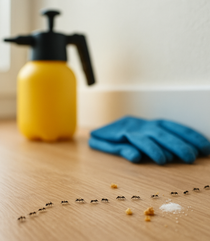
Professional pest control experts understand how to eliminate pests while minimizing exposure to chemicals and treatments that could affect someone with health vulnerabilities. They can customize their approach based on the specific needs of your household, using products and methods that are effective yet safe for use around medically fragile individuals. The U.S. Environmental Protection Agency regulates pesticide safety to ensure treatments meet rigorous health standards.
Preventive Strategies
Rather than simply reacting to pest problems as they arise, professional services focus on prevention. They can identify potential entry points, moisture issues, and other conditions that attract pests, then address these problems before infestations develop. For families managing ALS, this proactive approach means one less crisis to handle.
Reduced Burden on Caregivers
Caregiving for someone with ALS is exhausting work. Having a trusted professional handle pest control removes this responsibility from the family’s shoulders, allowing them to focus their energy where it matters most—on their loved one’s care and comfort.
Creating a Comprehensive Clean Environment
Professional pest control is just one element of maintaining a healthy home for ALS patients, but it’s a foundational one. When families know their homes are protected from pests, they can focus on other important aspects of care:
Air Quality: With pests eliminated, allergen levels decrease, making it easier to maintain the clean air that ALS patients need.
Stress Reduction: A pest-free home is one less worry for both patients and caregivers, contributing to better mental health for everyone.
Infection Prevention: Eliminating disease-carrying pests reduces the risk of infections that could lead to hospitalizations or complications.
Dignity and Comfort: A clean, well-maintained home supports the dignity and comfort that every ALS patient deserves.
Finding the Right Support in Elizabeth
For Elizabeth families navigating the ALS journey, building a network of trusted service providers makes all the difference. Just as you rely on medical professionals, home health aides, and therapists, having a dependable pest control partner provides peace of mind and practical support.
The right pest control service understands that they’re not just treating a house—they’re helping to maintain a healing environment for someone facing serious health challenges. They show up reliably, work respectfully in your home, and take the time to address your specific concerns and needs.
Living with ALS requires tremendous courage, resilience, and adaptation. While families can’t control the disease, they can control the environment where their loved one spends their days. Professional pest control is one practical way to create the clean, safe, comfortable home that every ALS patient deserves—a place where they can focus on living fully, surrounded by the people who love them.