When someone is dealing with ALS, changes around the house often end up touching the roof. Wider hallways upstairs or a ceiling track for a lift can mean opening the attic, and that sometimes uncovers old weak spots nobody noticed before. A solid roof keeps water out so the new gear stays dry and safe to use. Picture a caregiver trying to move someone safely while water starts to drip from above because the roof gave out under the added weight from above.
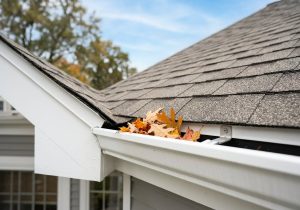
Roof Jobs That Pop Up During ALS Changes
Wider doors and ramps are common first steps. Once the work reaches the attic or adds new vents, the roof takes on extra stress. A roof in good shape stops leaks that could ruin a lift or ramp and create extra work for caregivers. Water dripping onto fresh equipment is the last thing anyone wants.
New Design Roofing can walk through how to fold those fixes in without bigger headaches later. Catching roof problems early keeps the house stable and saves money down the road. It also pays to check the attic with a contractor before any cuts start inside.
Problems That Often Show Up
A few things tend to appear once the work begins. Old shingles can split under the weight of tools and materials. New vents sometimes collect water if the slope around them is off, and that shows up later as ceiling spots. Shifts from the interior changes may loosen flashing at chimneys or skylights too.
– Old shingles cracking under extra loads
– Water pooling near new vents
– Flashing coming loose after interior shifts
These start small but grow fast if ignored. A quick look after storms usually catches loose pieces before they turn into real trouble.
Steps That Actually Help
Start with a close look at the surface and the beams underneath. Check for missing granules or sagging spots. Then add support where the attic floor was opened. Extra bracing there often makes the difference when the new equipment goes in. Without that extra support the floor might shift slightly under the weight of a ceiling track and cause the whole setup to feel unsteady during use.
Repairs usually mean matching the old materials on damaged sections and sealing every joint. For bigger areas, a better underlayment layer adds protection without tearing everything apart. The goal is to keep noise and mess down so daily life stays workable. Crews can split the job into stages and leave clear paths to bedrooms and baths.
Materials That Hold Up Over Time
Durable shingles or metal panels cut down on repeat visits. They line up with recommendations from the Construction Specifications Institute and protect the money already spent on accessibility work. Good ventilation pieces also keep moisture from building up, which helps the roof and the air inside.
- High-quality sealants for all edges and penetrations
- Reinforced flashing around any new openings
- Lightweight yet strong underlayment layers
Keeping Everyone Safe While Work Happens
Safety comes first when roof repairs run alongside the other changes. Stable scaffolding and tied-down tools matter. It helps to pause the indoor work while crews are on the roof so the house does not feel chaotic.
Caregivers need clear updates on timing and any blocked areas. One quick call the night before often prevents a rushed morning.

Fitting the Work Into Everyday Life
Roof jobs and home adjustments do not happen in a bubble. Scheduling deliveries for quieter hours cuts down on stress for everyone. A short talk with the crew each morning usually settles which rooms will be off-limits and for how long.
Calling in a Roofing Pro
Some fixes look smaller than they are. A pro who shows up early can spot issues that might clash with the accessibility plans already in place. They can also suggest small tweaks that save time once indoor work starts again.
Checking the Roof After Repairs
Once the work is done, set up a simple routine. Clean the gutters, trim branches that hang too close, and glance into the attic now and then for leaks or drafts. A short walk around after each season change usually finds small problems while they are still easy to handle. It also helps to watch how water flows off the edges during rain since any new openings from vents can change the pattern and create spots that need attention sooner than expected.
These habits keep the roof lasting longer and protect the modifications that make daily life easier. Consistent checks stop minor issues from growing into something that gets in the way. One solid look each season often does the trick.